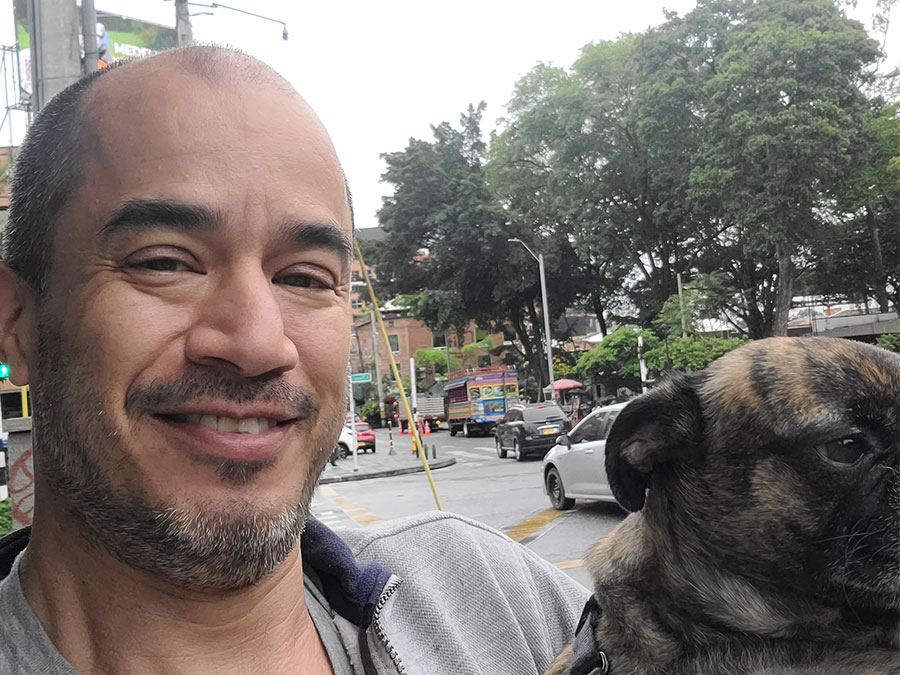
Screwworm in Dogs: Signs, Prevention & Travel Safety Tips
Last updated: June 11, 2026
New World screwworm is in the news so I figured I should give you a realistic breakdown of what this all means and what my experiences have been navigating screwworm affected countries.
The first thing is don’t panic. This doesn’t mean you suddenly have to cancel travel plans to Mexico or another affected country. It does mean you need to understand the entry rules for your next destination and how to protect your dog from screwworm.
For U.S. dog owners, the biggest issue for you is the re-entry rule. If your dog is entering or returning the United States from a country where screwworm is known to exist, your dog probably needs screwworm free certification before being allowed entry.
If you are traveling to Mexico with your dog this is especially important because Mexico is currently considered screwworm-affected by APHIS. This does not mean you cannot go on your trip, it just means you need to plan the return portion of your trip properly.
June 10, 2026 update for U.S. to Mexico dog travel
There was an update from APHIS recently that outlined some of the steps being taken to combat the spread of screwworm in the United States. Basically the update said effective immediately all exports of livestock from all states was being suspended until further information.
The part that matters to dog owners like us was the part of the update that stated pet dog travel to Mexico will continue using the already established procedures. Specifically all dogs entering from Mexico must meet APHIS requirements for screwworm freedom certification upon re-entry.
You can confirm the current Mexico guidance on the official APHIS pet travel page for Mexico.
Is this a new dog travel rule?
Not at all. Screwworm is in the news because of the current outbreak but the idea behind the rule is not new or unusual. Countries implement import rules to prevent diseases, parasites, and pests from crossing borders. That’s why dog owners often have to navigate rabies proof, health certificates, parasite treatments, border inspections, and endorsements.
A country requiring your dog to be certified screwworm free isn’t meant to make dog travel impossible. It was put in place to reduce the risk of screwworm entering a country where the health officials are trying to keep it out. For the United States, the easiest way to check whether this applies is to use the official APHIS Dog Imports: Check Country Disease Status page.
The one thing you don’t want to do is rely on memory from previous trips, Facebook groups, or blog posts that haven’t been updated. Disease status can change and this is one of those rules where you want to double check the official government sources.
What is New World screwworm?
New World screwworm is a parasitic fly. The adult fly lays eggs in open wounds or body openings, including areas around the eyes, ears, nose, mouth, and genitals. When the eggs hatch, the larvae can feed on living tissue.
That sounds awful, and it can be serious. But for dog owners, the main thing to understand is simple:
Screwworm is attracted to wounds.
This doesn’t just mean large open cuts. Smaller skin breaks, scratches, bug bites, irritated skin, hotspots, or wounds around the ears, eyes, nose, mouth, paws, or skin folds can also attract the flies.
Signs of screwworm in dogs
The first time I left Mexico and had to get a screwworm free certificate, I had the pleasure of encountering a vet who took the time to explain how to look for screwworm and what I should do to help prevent Beckham from getting infected.
Things I was told to watch out for:
- A wound that is getting worse instead of better.
- A sore that smells bad.
- Bleeding or unusual discharge from a wound.
- Maggots, larvae, or white egg masses in or around a wound.
- Your dog licking, chewing, scratching, or obsessing over one spot.
- Swelling, pain, or sensitivity around a cut, bite, hotspot, ear, eye, nose, mouth, paw, or skin fold.
- Your dog acting depressed, uncomfortable, not eating, hiding, or isolating more than usual.
- A wound that is suddenly deeper, wider, or more painful.
If you see any of these things, especially if you are in a screwworm affected country, do yourself and your furry companion a favor and get to a vet right away to have it looked at.
How to prevent screwworm in dogs
If there is one thing I can say after traveling with Beckham through many screwworm affected countries it’s this: you do not have to keep your dog locked up inside.
You do need to be more careful about wounds, flies, street animals, livestock, and rural areas.
Here are the things I was told to do by the vet in Mexico City and have kept Beckham safe and screwworm free the last three years traveling Central and South America.
Check your dog’s skin daily
Do a quick check of your dog’s skin once a day, especially after beach days, hikes, farm stays, rural walks, dog parks, or contact with other animals. You want to check the paws, belly, ears, tail, face, and any spot your dog has been licking. Pay extra attention to little scratches or irritations.
Take cuts and scratches seriously
If your dog gets a cut, scrape, bug bite, hotspot, or irritated patch of skin make sure to clean it and monitor it closely. If you are in a screwworm-affected country and the wound looks open, deep, infected, painful, or slow to heal you should go to a vet rather than waiting several days.
That doesn’t mean every tiny scratch is an emergency. It means you shouldn’t ignore open wounds in an screwworm affected area.
Avoid close contact with animals that have wounds
Honestly this is great advice whether you are traveling in a screwworm affected area or not.
I don’t let Beckham closely interact with any animals that have visible wounds, sores, heavy fly activity, or signs of poor health. For me it’s not about being afraid of street dogs, it’s about avoiding obvious risks. This is one of the main reasons I choose to keep Beckham on a leash when we are walking around. I can hold him back from a dog while I look the dog over for signs of injury or disease. It’s also a chance to make sure the other dog’s tail is wagging so you can gauge the friendliness before you let them meet.
If the dog or animal has open wounds, do not let your dog sniff, lick, wrestle, or share close contact with that animal.
Be careful around livestock and rural areas
You often hear screwworm discussed as a livestock problem, so I would be cautious in rural areas, farms, ranches, and any place where animals may have wounds or heavy fly exposure. This is especially important if you are doing a Workaway, farm stay, rural AIrbnb, or countryside stay with your dog.
You can still go. Just be aware of the environment and check your dog more carefully.
Keep flies away from wounds
If your dog has an open wound, keep it clean and protected until a vet can look at it. Don’t use random sprays, human insect repellents, essential oils, or livestock products on your dog unless a veterinarian says they are safe. Some products that are fine for people or large animals can be dangerous for dogs.
Ask a local vet what is safe to use for your dog in that country.
Maintain regular parasite treatment
Beckham is on a 30 day cycle of internal and external parasite treatment whether the country I am traveling to requires it or not. That wonderful vet in Mexico I keep talking about showed me an oral parasite treatment that is incredibly effective at preventing all the usual parasites as well as screwworm.
Now not all parasite treatments are the same. This is one of those consult with a veterinarian moments to find the best option for your dog.
Remember there is no screwworm vaccine
Simply put, there is no magic vaccine you can give your dog before traveling to a screwworm affected country.
Prevention is more about layers:
- Use veterinarian-recommended parasite prevention.
- Check your dog’s skin daily.
- Keep wounds clean and protected.
- Avoid injured animals.
- Watch for flies around wounds.
- Go to a vet quickly if a wound looks wrong.
None of these steps are complicated. The key is not ignoring a small wound because your dog seems fine.
What if your dog gets a cut while traveling?
If your dog gets a small scrape and it is clean, dry, and healing normally you can keep an eye on it to make sure it heals fine.
If you are in a screwworm-affected area, I would go to a vet if:
- The wound is open.
- The wound smells bad.
- The wound is bleeding or draining.
- Your dog is licking it constantly.
- You see maggots, larvae, or white egg masses.
- The wound is near the eyes, ears, nose, mouth, genitals, paws, or skin folds.
- The wound is getting worse after a day or two.
A local vet will clean the wound properly, check for parasites or infection, and tell you whether your dog needs treatment.
This is not the time to try and figure things out using Google photos.
Final thoughts
You don’t have to cancel your trip because of screwworm. It sounds scary at first, but if you talk to a vet and follow some straightforward prevention steps, you will still have a great adventure with your dog. If you are traveling in a screwworm affected country don’t forget to check the rules for your next destination to see if you have any additional screwworm requirements to enter.
None of this means your dog travel plans are over, it just means screwworm should be part of your checklist. And honestly, this is the key to successful dog travel, knowing the rule before it becomes a problem.
Frequently asked questions
Can dogs get screwworm?
Yes. Screwworm is often discussed with livestock, but it can affect dog too.
Do I need screwworm paperwork to bring my dog to the United States?
You need screwworm freedom certification if your dog is entering or returning to the United States from a country or region where screwworm is known to exist.
Can flea and tick medication prevent screwworm?
Some veterinarian-prescribed flea and tick medications help protect dogs against New World screwworm (NWS). Products in the isoxazoline class, such as NexGard, Simparica, Bravecto, and Credelio, work systemically after being absorbed by the dog’s body. If larvae feed on treated tissue, the medication kills them rapidly before the infestation becomes more serious.